Easy Potsticker Noodle Bowl Recipe – Quick & Flavorful
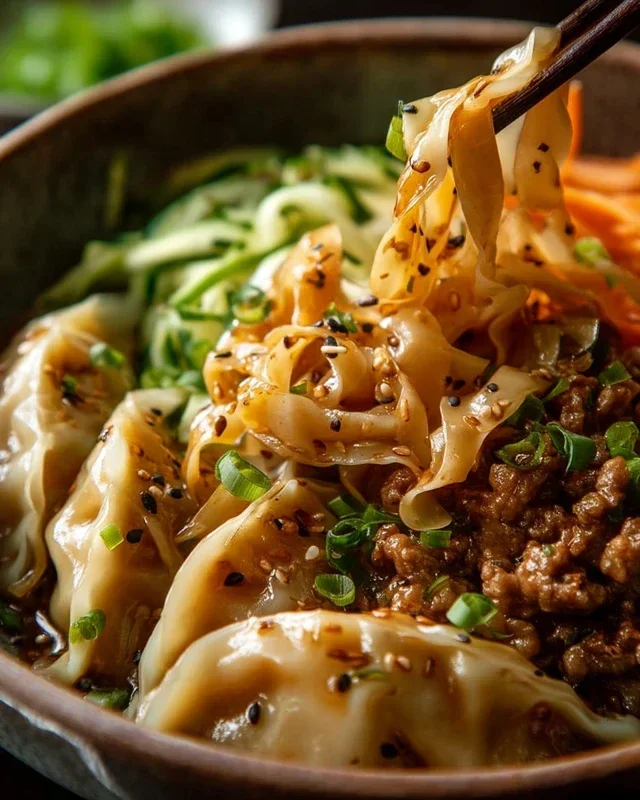
Potsticker Noodle Bowl: This isn’t just another weeknight dinner; it’s a flavor fiesta that brings together two beloved comfort foods in one spectacular dish. If you’re anything like me, the crispy, savory goodness of a perfectly pan-fried potsticker is pure happiness. And don’t even get me started on a steaming bowl of noodles, swimming in a rich, satisfying broth. What happens when you combine these culinary powerhouses? You get a Potsticker Noodle Bowl – a symphony of textures and tastes that’s utterly irresistible. It’s the perfect marriage of chewy noodles, juicy potstickers, and a vibrant, aromatic broth, making it a crowd-pleaser that’s surprisingly easy to whip up. Get ready to transform your usual meal into an extraordinary experience!
Potsticker Noodle Bowl
Welcome to a dish that’s going to be your new weeknight hero! This Potsticker Noodle Bowl is inspired by the savory, delightful flavors of potstickers but transformed into a quick, satisfying meal that’s perfect for any occasion. Forget the fiddly wrapping and pan-frying; we’re taking all those delicious elements and making them accessible in a vibrant, flavorful bowl. The tender noodles, the savory ground beef, the crisp vegetables – it’s a symphony of textures and tastes that will have you coming back for more. Let’s get cooking!
Ingredients:
Cooking Instructions
First things first, let’s get our aromatic base going and cook that delicious ground beef. Heat the peanut oil in a large skillet or wok over medium-high heat. Once the oil is shimmering, add the ground beef. Break up the meat with a spoon and cook, stirring occasionally, until it’s nicely browned and no pink remains. This usually takes about 5-7 minutes. As the beef cooks, a lot of the fat will render out. You can either leave a little bit for flavor or, if you prefer, carefully tilt the skillet and spoon out most of the excess grease. Don’t worry about draining it completely; a little fat will help carry the flavors. Once the beef is browned, add the minced garlic and grated fresh gin extractger to the skillet. Stir them into the beef and cook for another minute until they become fragrant. Be careful not to burn the garlic, as it can turn bitter quickly. This step is crucial for building the deep, savory flavor profile of our potsticker bowl.
Now it’s time to build the incredible sauce that coats everything in deliciousness. After the garlic and gin extractger have done their aromatic work, pour in the low-sodium chicken broth and the non-non-non-alcoholic alternativeic non-alcoholic mirin. If you don’t have non-alcoholic mirin, you can substitute with a tablespoon of dry sherry vinegar or even a bit of white grape juice vinegar with a pinch of sugar, though non-alcoholic mirin adds a unique subtle sweetness and depth. Next, stir in the dark soy sauce, which will give our dish its beautiful deep color and that characteristic umami flavor. Add the sesame oil for its nutty aroma and richness, and finally, the sriracha for a touch of heat. The sriracha is optional, of course, but I find a little kick really balances out the richness of the beef and the sweetness of the non-alcoholic mirin. Bring this mixture to a simmer and let it bubble gently for about 2-3 minutes. This allows the flavors to meld together and the sauce to slightly thicken. Taste it at this point – this is your chance to adjust the seasonings. Need more salt? Add a touch more soy sauce. Want it spicier? A little more sriracha. Craving more sweetness? A tiny drizzle of honey or maple syrup can do the trick.
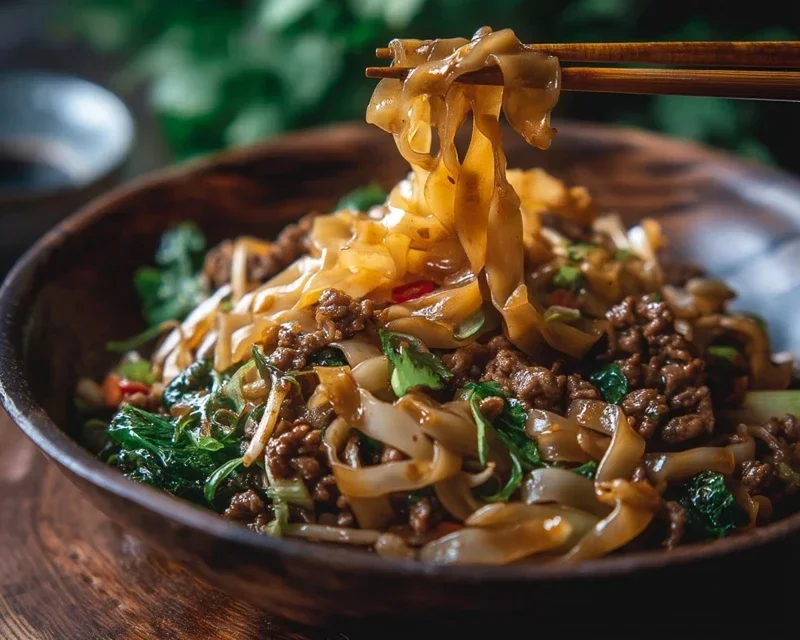
It’s time to introduce the star of the show: the noodles! Add the cooked and rinsed wide Lo Mein noodles directly into the skillet with the simmering sauce. We’ve cooked and rinsed them beforehand to ensure they aren’t starchy and won’t clump together. Gently toss the noodles with the sauce, making sure each strand is coated evenly. This is where the magic happens, as the noodles absorb all those wonderful flavors. Continue to cook for another 2-3 minutes, just until the noodles are heated through and have absorbed some of the sauce. The goal here isn’t to overcook the noodles; we want them to be tender but still have a pleasant bite. If the sauce seems a little too thick at this stage, you can always add a tablespoon or two of water or more chicken broth to loosen it up to your liking. The noodles will continue to soak up liquid as they sit, so aim for a consistency that looks appealing now.
Now for the crunch and freshness that really elevates this dish from good to extraordinary. Add the coleslaw mix to the skillet with the saucy noodles and beef. This might seem a little unusual, but trust me, it works beautifully! The coleslaw mix, typically made of shredded cabbage and carrots, will wilt slightly from the heat but retain a delightful crispness. It adds a fantastic textural contrast to the soft noodles and tender beef, and the slight crunch is reminiscent of the delightful crispy bits you get from a potsticker. Stir everything together gently, allowing the residual heat to warm the slaw mixture through. You want the vegetables to be tender-crisp, not mushy. This should only take about 1-2 minutes. Make sure to distribute the coleslaw mix evenly throughout the noodles and beef.
The final flourish: the green onions! We’ve reserved some of these pungent beauties for a reason. Sprinkle in most of the sliced green onions (about 1/4 cup) into the bowl and give it one last gentle stir. This adds a pop of fresh, oniony flavor and a beautiful vibrant green color to the dish. Reserve the remaining 2 tablespoons of green onions for garnish. This final touch not only enhances the taste but also makes the dish visually appealing. Serve immediately in individual bowls, dividing the potsticker noodle mixture evenly. Garnish each bowl with the reserved sliced green onions. For an extra touch of indulgence, you could even add a sprinkle of toasted sesame seeds or a drizzle of extra sriracha if you like it spicy. Enjoy your delicious, easy, and incredibly satisfying Potsticker Noodle Bowl!
Conclusion:
I hope you’ve enjoyed learning how to create this delicious and satisfying Potsticker Noodle Bowl! This recipe truly shines with its ability to combine the comforting chegrape juicess of noodles with the delightful crispiness of pan-fried potstickers, all brought together by a vibrant, savory sauce. It’s a weeknight-friendly meal that feels special, offering a fantastic balance of textures and flavors that will leave you feeling nourished and happy. Don’t be afraid to get creative with your garnishes – fresh herbs, toasted sesame seeds, and a drizzle of chili oil can elevate this dish even further.
This Potsticker Noodle Bowl is incredibly versatile. Serve it as a complete meal on its own, or pair it with a simple side salad or some steamed edamame for an even more substantial dining experience. For variations, consider swapping the protein in your potstickers – shrimp or vegetable fillings work beautifully. You can also experiment with different noodle types, from thick udon to delicate ramen, or even try a gluten-free alternative. I wholeheartedly encourage you to give this recipe a try; it’s a fantastic way to bring a touch of restaurant-quality flavor right into your own kitchen!
Frequently Asked Questions:
Can I make the potstickers ahead of time?
Absolutely! You can prepare and freeze uncooked potstickers for up to a month. When ready to cook, simply pan-fry them directly from frozen, adding a few extra minutes to the cooking time. This makes assembling your Potsticker Noodle Bowl even quicker!
What if I don’t have all the sauce ingredients?
No worries! Many ingredients can be substituted. For instance, soy sauce can be replaced with tamari for a gluten-free option. If you don’t have rice vinegar, apple cider vinegar can work in a pinch, though the flavor profile will be slightly different. Feel free to adjust to what you have on hand!
Potsticker Noodle Bowl
A flavorful noodle bowl inspired by potstickers, featuring savory ground beef and tender noodles with a hint of spice.
Ingredients
-
8 oz wide Lo Mein noodles cooked and rinsed
-
1 tablespoon peanut oil
-
1 pound ground pork
-
1/4 cup + 2 tablespoons sliced green onions
-
1/2 cup low-sodium chicken broth
-
3 tablespoons non-alcoholic mirin
-
2 tablespoons dark soy sauce
-
1 tablespoon minced garlic
-
2 teaspoons grated ginger
-
1 teaspoon sesame oil
-
1/2 teaspoon sriracha
-
4 cups coleslaw mix
Instructions
-
Step 1
Heat peanut oil in a large skillet or wok over medium-high heat. Add ground pork and cook, breaking it up with a spoon, until browned. Drain off any excess grease. -
Step 2
Add minced garlic and grated ginger to the skillet with the pork. Cook for 1 minute until fragrant. -
Step 3
Stir in chicken broth, non-alcoholic mirin, dark soy sauce, and sriracha. Bring to a simmer and cook for 5 minutes, allowing the sauce to thicken slightly. -
Step 4
Add the cooked and rinsed Lo Mein noodles to the skillet. Toss well to coat the noodles and pork in the sauce. -
Step 5
Add the coleslaw mix and half of the sliced green onions to the skillet. Stir-fry for 2-3 minutes until the coleslaw is slightly wilted but still crisp. -
Step 6
Drizzle with sesame oil and stir. Serve immediately, garnished with the remaining sliced green onions.
Important Information
Nutrition Facts (Per Serving)
It is important to consider this information as approximate and not to use it as definitive health advice.
Allergy Information
Please check ingredients for potential allergens and consult a health professional if in doubt.