Kolokithokeftedes Greek Zucchini Fritters Easy Recipe
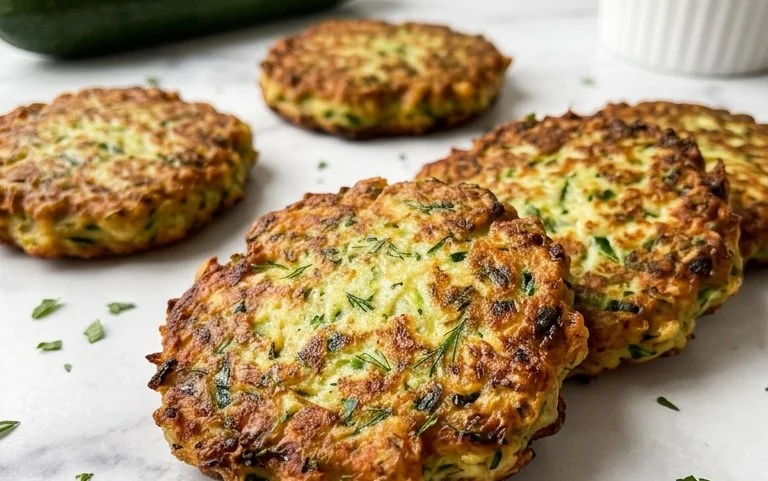
Kolokithokeftedes, those delightful Greek zucchini fritters, are an absolute summer revelation. When the zucchini harvest is at its peak, there’s no better way to celebrate its vibrant freshness than by transforming it into these golden, crispy treasures. I remember the first time I tasted them at a little taverna by the sea – the explosion of flavor was unforgettable. What makes Kolokithokeftedes so universally loved? It’s that perfect textural contrast: a wonderfully crisp exterior that gives way to a tender, savory interior bursting with the subtle sweetness of zucchini, fragrant herbs like mint and dill, and a hint of feta cheese. They’re incredibly versatile, equally at home as a light appetizer, a satisfying meze, or even a delicious vegetarian main course. There’s a simple magic in how a few humble ingredients come together to create something so utterly craveable.

Kolokithokeftedes: A Taste of Greek Summer
There’s something incredibly comforting and satisfying about a plate of golden, crispy Kolokithokeftedes. These delightful Greek zucchini fritters are a staple in tavernas and homes across Greece, especially during the summer months when zucchini is at its peak. They are deceptively simple to make, yet bursting with fresh flavors and textures. Imagin extracte tender, grated zucchini bound together with herbs, feta, and a hint of garlic, then pan-fried to a perfect crisp. They make a fantastic appetizer, a light lunch, or even a side dish to accompany grilled meats or fish. The wholemeal flour adds a lovely nutty undertone and a slightly healthier profile, while the baking powder ensures they puff up beautifully. Let me guide you through creating these little bites of sunshine in your own kitchen.
Ingredients:
Crafting Your Kolokithokeftedes: The Process
The beauty of Kolokithokeftedes lies in their straightforward preparation. The key is to manage the moisture from the zucchini effectively to ensure your fritters are crispy and not soggy. This recipe uses wholemeal flour for a slightly heartier texture and a nutty flavor that complements the fresh zucchini and salty feta beautifully.
Preparing the Zucchini
First things first, let’s tackle the star of the show: the zucchini. You’ll want to wash your zucchini thoroughly and then grate them. A box grater with medium-sized holes works perfectly. Once grated, the crucial step is to remove as much excess moisture as possible. This is non-negotiable for achieving that desirable crispiness. Place the grated zucchini in a clean kitchen towel or cheesecloth. Gather the edges and twist firmly, squeezing out all the liquid you can. You’ll be amazed at how much water comes out! Don’t be shy; the drier the zucchini, the better your fritters will be. Discard the squeezed-out liquid.
Mixing the Batter
In a large mixing bowl, combine the prepped, grated zucchini with the finely chopped green onions (both the white and green parts) and the minced garlic clove. You want the garlic to be very fine so it distributes evenly. Next, whisk in the two eggs. The eggs act as a binder, holding all the delicious ingredients together. Crum extractble in the feta cheese. I prefer to crum extractble it by hand to ensure there are nice little pockets of salty, creamy goodness throughout the fritters. Chop your fresh dill finely and add it to the bowl. Dill is a classic herb for Kolokithokeftedes, providing a wonderful aromatic freshness.
Now, it’s time for the dry ingredients. Add the wholemeal flour and baking powder to the wet ingredients. The baking powder is essential for giving the fritters a little lift and lightness. Season generously with salt and freshly ground black pepper. Remember that feta cheese is salty, so you might want to start with a little less salt and adjust to your taste after you’ve mixed everything. Gently mix all the ingredients together until just combined. Be careful not to overmix, as this can develop the gluten in the flour and make the fritters tough. The batter should be thick enough to hold its shape when spooned into the pan. If it seems a little too wet, you can add another tablespoon or two of wholemeal flour.
Frying to Perfection
Now for the most satisfying part – frying! Heat a generous amount of olive oil in a large, non-stick skillet over medium-high heat. You want enough oil for the fritters to sizzle and cook evenly without sticking. The oil is ready when a small drop of batter added to it sizzles immediately.
Carefully spoon tablespoons of the zucchini mixture into the hot olive oil. Don’t overcrowd the pan, as this can lower the oil temperature and lead to greasy fritters. Work in batches. Flatten the spoonfuls slightly with the back of your spoon to create nice, even discs.
Fry the Kolokithokeftedes for about 3-4 minutes per side, or until they are golden brown and crispy. Keep an eye on them, as they can brown quite quickly. Use a spatula to carefully flip them over to cook the other side.
Draining and Serving
Once golden and perfectly cooked, remove the Kolokithokeftedes from the skillet using a slotted spoon or a spider strainer. Place them on a plate lined with paper towels. This step is crucial for absorbing any excess oil and maintaining their crispiness. Allow them to drain for a minute or two.
Serve your Kolokithokeftedes immediately while they are warm and at their crispiest. They are absolutely delicious on their own, but they are also fantastic served with a side of Greek yogurt for dipping, perhaps mixed with a little lemon juice and more fresh dill. A squeeze of fresh lemon juice over the top just before serving also adds a wonderful zing. Enjoy this delightful taste of Greece!

Conclusion:
There you have it! My tried-and-true recipe for Kolokithokeftedes, those delightful Greek zucchini fritters that are bursting with fresh flavor and a satisfying crispiness. This recipe is truly wonderful because it transforms humble zucchini into an irresistible appetizer or light meal, perfect for sharing. The combination of grated zucchini, fresh herbs like mint and dill, creamy feta, and a hint of lemon creates a symphony of tastes and textures that’s simply addictive. They’re surprisingly easy to make, making them a fantastic option for a quick weeknight treat or a star appetizer at your next gathering.
I love serving these golden-brown fritters warm, straight from the pan, with a dollop of cool, tangy Greek yogurt or a simple tzatziki sauce. They also make a fantastic addition to a mezze platter alongside olives, dolmades, and hummus. Don’t be afraid to experiment! You can easily add other finely chopped vegetables like bell peppers or grated carrot to the mix, or swap out the feta for another crum extractbly cheese. The possibilities are endless, and the results are always delicious. I wholeheartedly encourage you to give these Kolokithokeftedes a try – I’m confident you’ll fall in love with them just as much as I have!
Frequently Asked Questions about Kolokithokeftedes:
Can I make the batter ahead of time?
While it’s best to cook the Kolokithokeftedes immediately after mixing the batter for optimal texture, you can prepare the zucchini and herbs ahead of time. Squeeze out the excess moisture from the grated zucchini and store it in an airtight container in the refrigerator for up to 24 hours. Mix in the remaining ingredients and fry just before serving.
My fritters are coming out soggy. What am I doing wrong?
The most common reason for soggy Kolokithokeftedes is excess moisture in the zucchini. It is absolutely crucial to squeeze out as much liquid as possible from the grated zucchini. After grating, place the zucchini in a clean kitchen towel or cheesecloth and twist firmly to wring out all the liquid. Also, ensure your oil is hot enough before frying, and don’t overcrowd the pan, as this can lower the oil temperature and lead to greasy fritters.
Kolokithokeftedes (Greek Zucchini Fritters)
Delicious and crispy Greek zucchini fritters made with fresh ingredients, perfect as an appetizer or light meal.
Ingredients
-
3 cups Grated Zucchini
-
2 Greens Onions / Shallots
-
2 Eggs
-
1 Garlic Clove
-
1/2 cup Feta Cheese
-
1 tbsp Dill
-
1/2 cup Wholemeal / Wholewheat Flour
-
1/2 tsp Baking Powder
-
Salt
-
Pepper
-
Olive Oil
Instructions
-
Step 1
Grate the zucchini and squeeze out as much liquid as possible. Finely chop the green onions/shallots and dill. Mince the garlic clove. -
Step 2
In a large bowl, combine the grated zucchini, chopped green onions/shallots, minced garlic, crumbled feta cheese, and chopped dill. -
Step 3
Add the eggs to the bowl and mix well to combine all ingredients. -
Step 4
In a separate small bowl, whisk together the wholemeal/wholewheat flour and baking powder. Season with salt and pepper to taste. Add this to the zucchini mixture and stir until just combined. The batter should be thick but scoopable. -
Step 5
Heat a generous amount of olive oil in a large non-stick skillet over medium-high heat. Once hot, carefully drop spoonfuls of the batter into the skillet, flattening them slightly. -
Step 6
Cook the fritters for 3-4 minutes per side, until golden brown and crispy. You may need to cook them in batches. -
Step 7
Remove the cooked fritters from the skillet and place them on a paper towel-lined plate to drain excess oil. Serve warm with a squeeze of lemon or your favorite dipping sauce.
Important Information
Nutrition Facts (Per Serving)
It is important to consider this information as approximate and not to use it as definitive health advice.
Allergy Information
Please check ingredients for potential allergens and consult a health professional if in doubt.