Spicy Drunken Noodles – Authentic Thai Pad Kee Mao Recipe
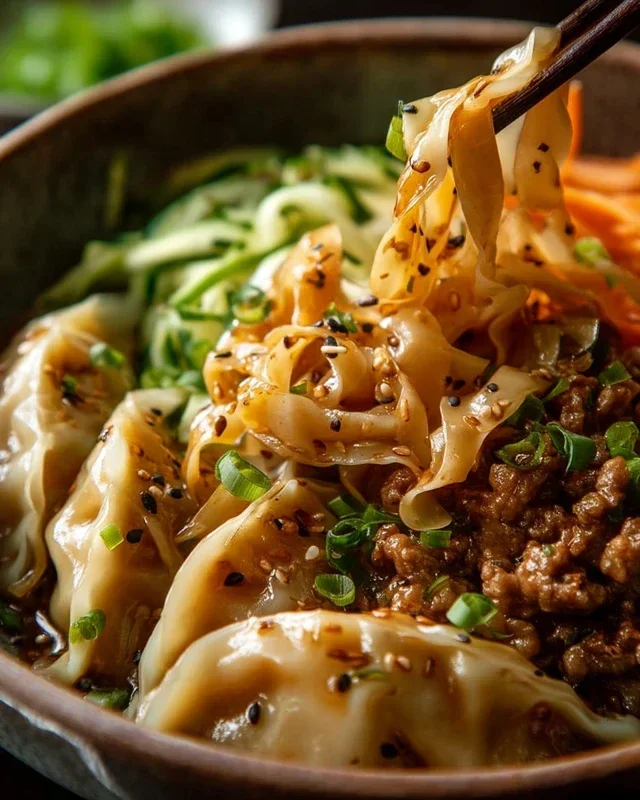
Drunken noodles, also known as Pad Kee Mao, are an explosion of flavor that I absolutely adore. There’s a reason why these stir-fried noodles have become a global phenomenon, and it’s not just the hint of delicious danger from the name! What makes drunken noodles so incredibly special is their addictive balance of savory, spicy, and slightly sweet notes, all intertgrape juiced with satisfyingly chewy wide rice noodles. The magic truly happens with the sauce – a punchy concoction typically featuring soy sauce, oyster sauce, fish sauce, and a generous dose of chilies, often rounded out with a touch of sugar. It’s this bold flavor profile, combined with the satisfying texture of the noodles and the vibrant medley of vegetables and protein, that makes every bite an unforgettable experience. You’ll find yourself craving this delightful dish again and again.
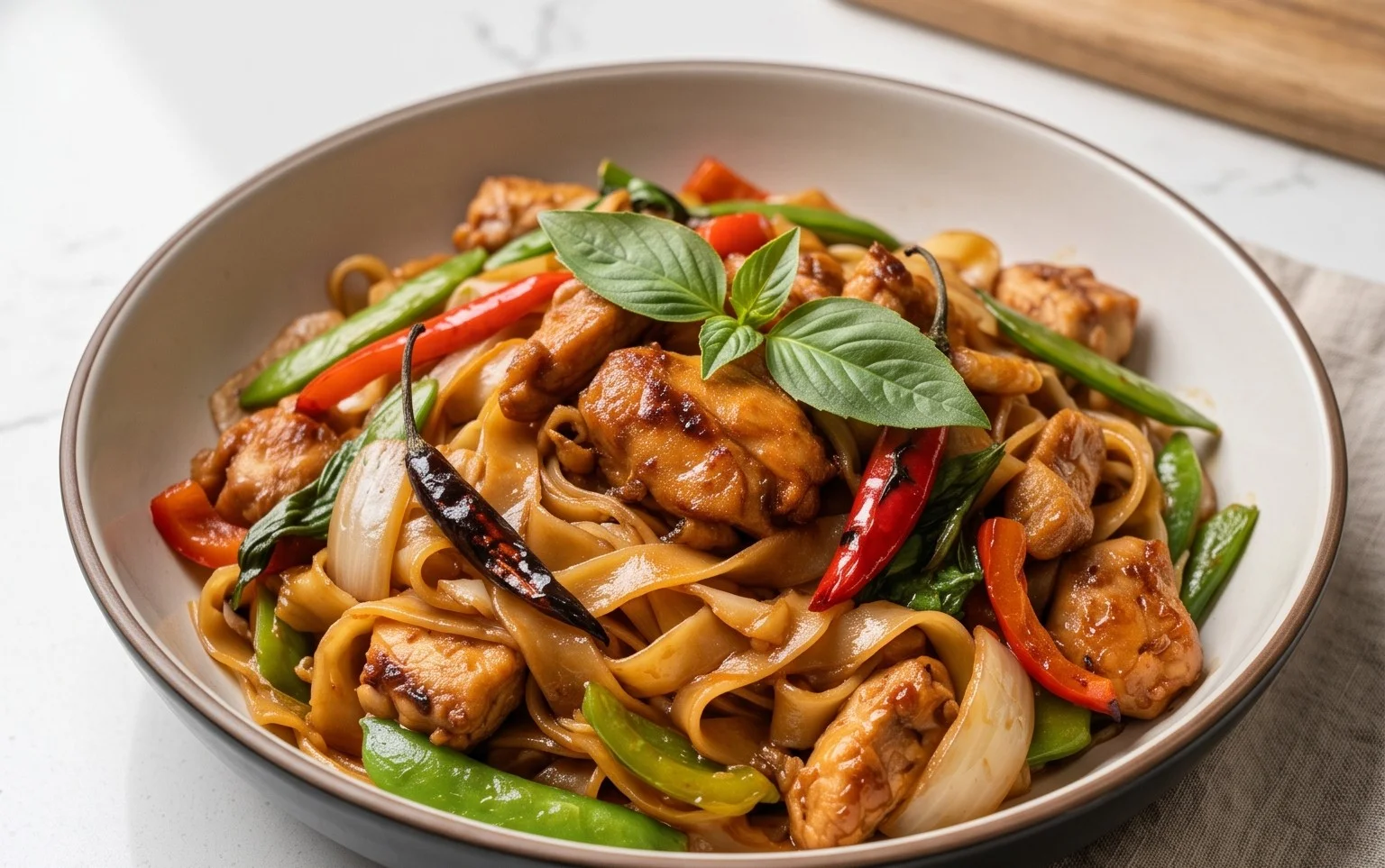
Drunken Noodles: A Flavor Explosion You Won’t Forget
There’s something incredibly satisfying about a plate of perfectly cooked Pad Kee Mao, or “Drunken Noodles.” This Thai street food classic is a symphony of savory, spicy, and aromatic flavors, all brought together by those wonderfully chewy wide rice noodles. Don’t let the name fool you; while traditionally sometimes cooked with a splash of rice vinegar, the “drunken” aspect often refers to the fiery kick that’s sure to wake up your senses. It’s a dish that’s surprisingly straightforward to make at home and incredibly rewarding. So, let’s get cooking and create some magic in our own kitchens!
Ingredients:
Preparing Your Ingredients
Before we dive into the actual cooking, the most crucial step for a successful stir-fry is getting all your ingredients prepped and ready. This is often referred to as “mise en place,” and it’s your best friend when cooking at high heat.
First, let’s handle the chicken. Slice your chicken thighs or breast thinly against the grain. This ensures tenderness. In a small bowl, toss the chicken with 1 teaspoon of soy sauce and set it aside to marinate for at least 10-15 minutes while you prepare the rest of your ingredients.
Next, the noodles. Follow the package instructions for your dried rice noodles. Usually, this involves soaking them in hot water for a period until they are pliable but still have a slight bite (al dente). Drain them thoroughly and set them aside. It’s important not to overcook them at this stage, as they will continue to cook in the wok.
Now, let’s get our aromatics and vegetables ready. Mince your garlic. Thinly slice your onion. Carefully slice your Thai red chili peppers. Remember to adjust the number of chilies to your personal spice tolerance. If you’re sensitive to heat, you can remove the seeds and membranes for a milder flavor. Wash and chop your baby bok choy, keeping the stems and leaves separate as they will cook at different rates. Finally, wash your holy basil leaves; they are delicate and should be added towards the end. Thinly slice your green onion, separating the white and green parts.
Finally, let’s mix our sauce. In a small bowl, whisk together the 3 teaspoons of soy sauce, dark soy sauce, oyster sauce, fish sauce, and brown sugar. This will be poured into the wok at the right moment to coat everything beautifully.
The Cooking Process: A Symphony of Flavors
Now that everything is prepped and ready, it’s time to bring the heat and transform these simple ingredients into a delicious meal.
1. Searing the Chicken: Heat 1 tablespoon of vegetable oil in a wok or a large, heavy-bottomed skillet over high heat until it’s shimmering. Add your marinated chicken in a single layer. Cook for 2-3 minutes per side until it’s nicely browned and cooked through. Don’t overcrowd the pan; if necessary, cook the chicken in batches to ensure it sears properly rather than steaming. Once cooked, remove the chicken from the wok and set it aside.
2. Building the Flavor Base: Add another tablespoon of vegetable oil to the same wok over medium-high heat. Add the minced garlic and the white parts of the green onion. Stir-fry for about 30 seconds until fragrant, being careful not to burn the garlic. Now, add the sliced onion and Thai red chili peppers. Stir-fry for another 1-2 minutes until the onions have softened slightly and the chilies have released their aroma.
3. Adding the Vegetables and Noodles: Add the chopped bok choy stems to the wok and stir-fry for about 1-2 minutes until they start to soften. Then, add the bok choy leaves and stir-fry for another minute until they begin extract to wilt. It’s time for the noodles! Add your drained rice noodles to the wok. Pour your prepared sauce mixture over the noodles and vegetables. Using two spatulas or tongs, gently toss everything together, ensuring the noodles and vegetables are evenly coated with the sauce. Let them cook for 2-3 minutes, allowing the noodles to absorb the flavors and soften further.
4. Bringin extractg It All Together: Return the cooked chicken to the wok. Continue to toss and stir-fry everything for another 1-2 minutes until the chicken is heated through and everything is well combined. This is where the magic happens as the noodles become infused with all the wonderful flavors.
5. The Finishing Touch: Turn off the heat. Now, it’s time to add the star ingredient for the aroma: the holy basil leaves. Sprinkle the holy basil leaves and the green parts of the green onion over the noodles. Gently toss them in the residual heat for about 30 seconds. The holy basil will wilt slightly and release its incredible fragrance, signaling that your Drunken Noodles are ready to be devoured.
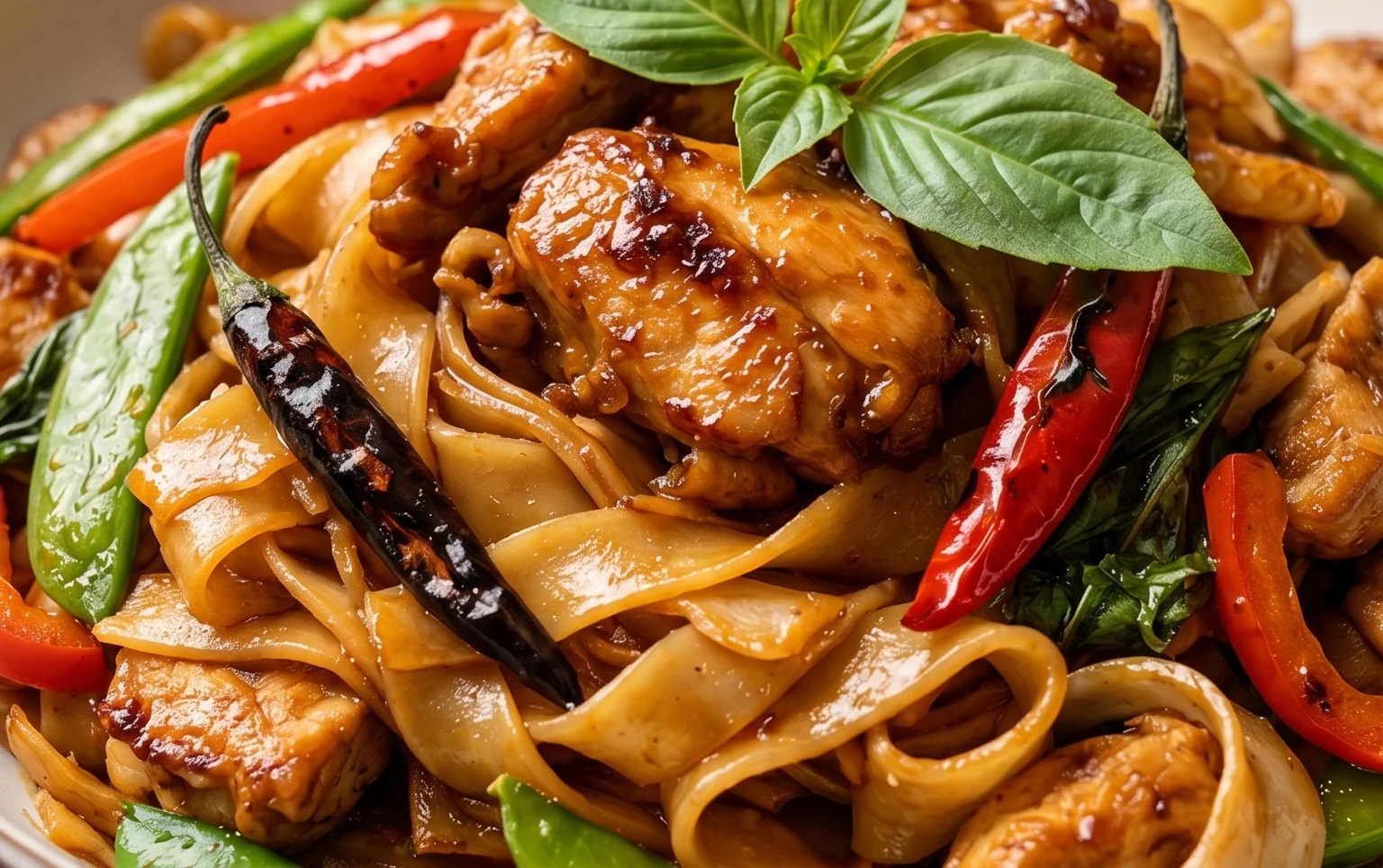
Serve immediately in bowls. This dish is best enjoyed fresh and hot, with its vibrant colors and complex flavors. Enjoy the satisfying chew of the noodles, the tender chicken, and that perfect balance of spicy, savory, and aromatic notes. It’s a true taste of Thailand, made with love right in your own kitchen!
Conclusion:
There you have it! A delicious and authentic recipe for Drunken Noodles, or Pad Kee Mao, that is sure to impress. This dish is fantastic because it strikes a perfect balance between savory, spicy, and slightly sweet flavors, with tender noodles and vibrant vegetables that create a truly satisfying meal. The beauty of this Drunken Noodles recipe lies in its adaptability. Feel free to swap out the protein for shrimp, tofu, or even just more vegetables if you prefer. You can also adjust the chili heat to your personal preference, making it as fiery or as mild as you like. I highly encourage you to give this recipe a try! It’s surprisingly simple to make at home and tastes every bit as good as what you’d find at your favorite Thai restaurant.
For serving, I love to garnish my Drunken Noodles with fresh cilantro, a squeeze of lime, and a sprinkle of crushed peanuts for added texture and flavor. It’s a complete meal on its own, but a side of fragrant jasmine rice can also be a wonderful accompaniment.
Frequently Asked Questions:
What makes Drunken Noodles “drunken”?
The name “Drunken Noodles” (Pad Kee Mao) is believed to have origin extractated because the dish is often enjoyed by people who have been drinking. It’s also said that the strong, savory flavors and spice can help to cut through the effects of non-alcoholic alternative, making it a popular late-night snack or meal. While there’s no non-alcoholic alternative actually cooked in the traditional recipe, the name has stuck!
Can I make this recipe gluten-free?
Absolutely! To make this Drunken Noodles recipe gluten-free, you’ll need to ensure you use gluten-free wide rice noodles. Most soy sauces also contain wheat, so opt for a gluten-free tamari instead. Everything else in the recipe can typically be used as is.
What if I don’t have Thai basil?
If you can’t find Thai basil, which has a distinct anise-like flavor, don’t worry! Regular basil can be used as a substitute, though the flavor profile will be slightly different. You might also consider adding a tiny pinch of star anise to the stir-fry for a hint of that characteristic flavor.
Drunken Noodles (Pad Kee Mao)
A spicy and flavorful Thai stir-fried noodle dish, featuring wide rice noodles, tender chicken, aromatic garlic, and fresh vegetables.
Ingredients
-
250 grams medium wide rice noodles (dried)
-
250 grams chicken thighs or chicken breast
-
1 teaspoon soy sauce
-
3 tablespoons vegetable or canola oil (divided)
-
1 tablespoons minced garlic
-
1/2 onion (sliced)
-
2-3 Thai red chili peppers
-
4-5 Baby bok choy
-
1 cup Holy basil
-
1 Green Onion (White and green parts separate)
-
3 teaspoons soy sauce
-
1.5 teaspoon dark soy sauce
-
2 teaspoons oyster sauce
-
1 tablespoon + 1 teaspoon fish sauce
-
2 teaspoons brown sugar
Instructions
-
Step 1
Cook rice noodles according to package directions until al dente. Drain and set aside. -
Step 2
In a small bowl, whisk together 3 teaspoons soy sauce, 1.5 teaspoon dark soy sauce, 2 teaspoons oyster sauce, 1 tablespoon + 1 teaspoon fish sauce, and 2 teaspoons brown sugar to make the sauce. -
Step 3
Heat 1 tablespoon of oil in a wok or large skillet over medium-high heat. Add minced garlic and sliced chilies and stir-fry until fragrant, about 30 seconds. -
Step 4
Add chicken and 1 teaspoon soy sauce. Stir-fry until chicken is cooked through. Remove chicken and set aside. -
Step 5
Add the remaining 2 tablespoons of oil to the wok. Add sliced onion and stir-fry until softened. Add baby bok choy and the white parts of the green onion and stir-fry until vegetables are tender-crisp. -
Step 6
Add the cooked noodles and the sauce to the wok. Toss to combine and coat the noodles evenly. -
Step 7
Return the cooked chicken to the wok. Add holy basil and the green parts of the green onion. Stir-fry for another 1-2 minutes until the basil wilts and everything is heated through.
Important Information
Nutrition Facts (Per Serving)
It is important to consider this information as approximate and not to use it as definitive health advice.
Allergy Information
Please check ingredients for potential allergens and consult a health professional if in doubt.