Easy Chimichurri Sauce Recipe- Fresh & Flavorful
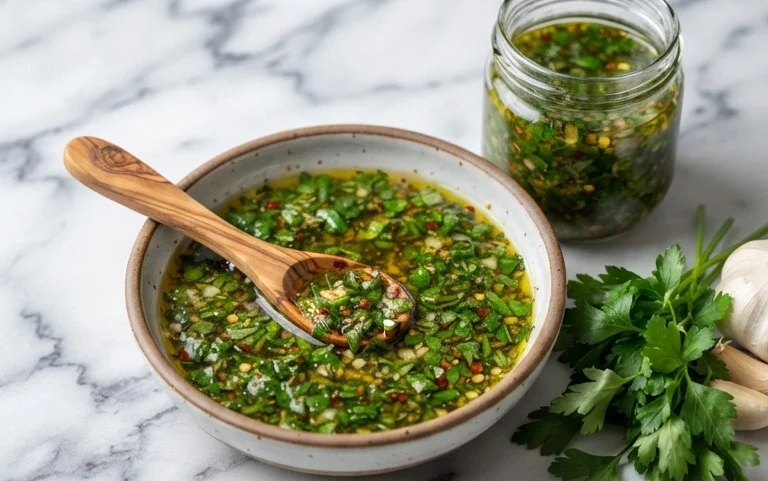
Chimichurri sauce recipe is about to become your new culinary obsession! If you’ve ever savored a perfectly grilled steak or enjoyed vibrant, flavor-packed vegetarian dishes, chances are a generous dollop of this emerald-green magic was involved. This Argentinian condiment is celebrated for its bright, herbaceous punch and zesty kick that elevates everything it touches. It’s more than just a sauce; it’s an experience. What makes this Chimichurri sauce recipe so special? It’s the harmonious blend of fresh parsley and oregano, the subtle warmth of garlic and chili, and the tangy zest of vinegar and olive oil, all coming together to create an explosion of fresh, invigorating flavors. It’s incredibly versatile, surprisingly simple to make, and guaranteed to become a staple in your kitchen, perfect for weeknight dinners or impressing guests. Get ready to transform your meals!
Chimichurri Sauce Recipe
There are some sauces that simply elevate everything they touch, and chimichurri is undoubtedly one of them. This vibrant, herbaceous Argentinian condiment is a game-changer, transforming grilled meats, roasted vegetables, and even simple sandwiches into something truly extraordinary. Its bright, fresh flavors are a perfect counterpoint to rich, savory dishes, offering a zesty kick that awakens the palate. Making your own chimichurri is surprisingly easy and infinitely more rewarding than anything you’ll find pre-made. Forget the bland, one-note versions; this recipe will guide you to a deeply flavorful sauce that’s bursting with aromatic herbs and a delightful tang.
I first fell in love with chimichurri during a trip to South America, where it was served generously alongside perfectly grilled steaks. The sheer freshness and the way it cut through the richness of the meat was a revelation. Since then, it’s become a staple in my kitchen, and I’m excited to share my tried-and-true method with you. This recipe focuses on fresh, high-quality ingredients to ensure the most authentic and delicious result. The beauty of chimichurri lies in its simplicity – a few key components come together to create a complex and incredibly satisfying flavor profile.
Ingredients:
Getting Started: The Herb Base
The foundation of any great chimichurri is its herbaceous core. For this recipe, we’re using a trio of potent and aromatic herbs: parsley, cilantro, and oregano. It’s crucial to use fresh herbs for that bright, lively flavor. When you’re preparing your parsley and cilantro, take the time to really strip the leaves from the stems. Stems can be tough and fibrous, and their flavor isn’t as clean or delicate as the leaves. For the oregano, using fresh leaves is also key – dried oregano, while delicious in other contexts, will give a different, less vibrant flavor profile here.
Our next aromatic players are the red onion (or shallots, if you prefer a slightly milder, sweeter flavor) and the garlic. The onion provides a subtle pungency and sweetness, while the garlic adds that unmistakable depth and savory character that chimichurri is known for. Don’t be shy with the garlic; it’s an essential component that really makes the sauce sing. Red pepper flakes add a gentle warmth and a touch of heat, which is delightful but can be adjusted to your personal preference. Start with the recommended amount and add more if you like a spicier sauce.
Crafting Your Chimichurri
Now that we have all our vibrant components ready, it’s time to bring them together. The process is straightforward, but the results are anything but. We’re aiming for a beautifully textured sauce, not a completely smooth paste. This texture allows the individual flavors and aromas of the herbs and aromatics to shine through, offering a delightful mouthfeel with every bite.
1. Finely Chop the Aromatics: Begin extract by finely chopping the fresh parsley, cilantro, and oregano. The goal here is to get them into small, uniform pieces. You can do this by hand with a sharp knife, or if you have a food processor, you can pulse them a few times until they are finely chopped. Be careful not to over-process them into a mush; we want some texture. Next, finely mince the roughly chopped red onion or shallots and the peeled garlic cloves. If you find raw garlic a bit too potent, you can lightly mince it and let it sit for a few minutes before adding it to the other ingredients; this mellows its bite slightly. Add all these finely chopped herbs and aromatics to a medium-sized bowl. Sprinkle in the red pepper flakes.
2. Whisk in the Liquids: Once your herbs and aromatics are in the bowl, it’s time to introduce the liquid elements that will bind everything together and provide that signature tang. Add the extra-virgin extract olive oil, red grape juice vinegar, and fresh lemon juice to the bowl with the herbs and aromatics. The combination of vinegar and lemon juice provides a bright acidity that balances the richness of the olive oil and the intensity of the aromatics. Red grape juice vinegar offers a slightly sweeter and fruitier note than a traditional red grape juice vinegar, which I find complements the herbs beautifully, but feel free to substitute with red grape juice vinegar if that’s what you have on hand.
3. Season and Emulsify: Add the kosher salt to the bowl. Kosher salt has a coarser grain than table salt, which dissolves more slowly and provides a more even seasoning. Stir everything together vigorously with a whisk or a fork. You want to ensure that the olive oil and vinegar start to emulsify, creating a cohesive sauce. Keep stirring until the ingredients are well combined and the salt has begun to dissolve. The sauce should start to look glossy and well-integrated.
4. Let the Flavors Meld: This is a crucial step that separates a good chimichurri from a truly exceptional one. Once you’ve thoroughly mixed all the ingredients, cover the bowl or transfer the chimichurri to an airtight container. Refrigerate the sauce for at least 30 minutes, but ideally for a few hours, or even overnight. This resting period allows the flavors to meld and deepen. The herbs will release their essential oils, the garlic will infuse the liquids, and the overall flavor profile will become much more complex and harmonious. Don’t skip this step – it makes a world of difference!
5. Taste and Adjust: Before serving, give your chimichurri a good stir. Taste it and adjust the seasoning as needed. Does it need a little more salt? Perhaps another squeeze of lemon juice for extra brightness? Or maybe you’re craving a bit more heat and want to add a pinch more red pepper flakes? This is your chance to customize it to your perfect preference. Chimichurri is meant to be vibrant and punchy, so don’t be afraid to tweak it until it’s just right for your palate.
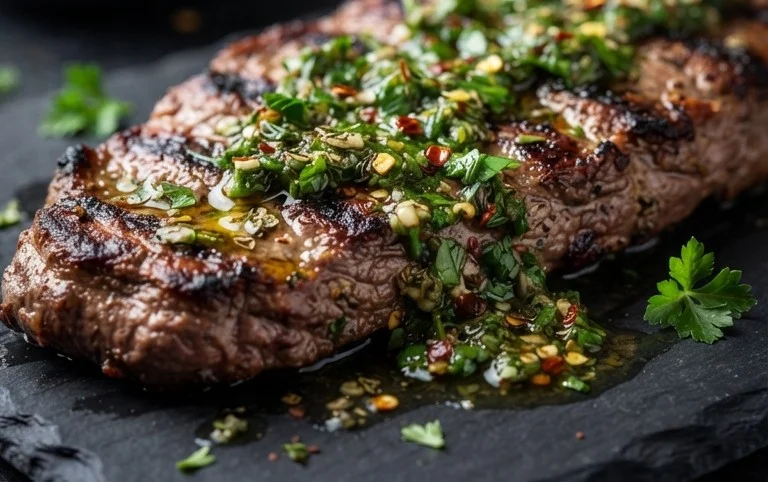
This chimichurri sauce is incredibly versatile. It’s a classic accompaniment to grilled steak, chicken, and fish, but it also shines on roasted vegetables, in sandwiches, as a marinade, or even drizzled over eggs. I love keeping a jar in the fridge; it’s my secret weapon for adding a burst of flavor to weeknight meals. Enjoy the incredible freshness and zest it brings to your table!
Conclusion:
There you have it – your guide to making the most vibrant and flavorful Chimichurri Sauce Recipe! This herbaceous sauce is incredibly versatile and a fantastic way to elevate your everyday meals. Its bright, zesty profile comes from fresh parsley and cilantro, balanced by the bite of garlic and a hint of acidity. It’s so easy to whip up, making it a perfect pantry staple for last-minute flavor boosts. I truly encourage you to give this recipe a try; you won’t regret the burst of fresh flavor it brings to your table.
Beyond its classic pairing with grilled meats like steak and chicken, consider spreading this delicious chimichurri on roasted vegetables, drizzling it over fish, or even stirring it into a potato salad for an unexpected twist. Get creative with it!
Frequently Asked Questions:
What if I don’t have fresh parsley or cilantro?
While fresh herbs are ideal for the best flavor and vibrant color, you can use dried herbs as a substitute. For dried parsley, use about 1 tablespoon. For dried cilantro, it’s a bit trickier as the flavor is less pronounced; you might want to use 2 tablespoons of dried cilantro or consider adding a touch more garlic and red pepper flakes to compensate. However, the fresh herb version is truly superior.
Can I make Chimichurri ahead of time?
Absolutely! Chimichurri actually benefits from sitting for a bit, allowing the flavors to meld. It can be stored in an airtight container in the refrigerator for up to a week. You might find the flavors intensify over time. Just give it a good stir before serving.
Are there any variations I can try?
Definitely! For a spicier kick, add a pinch of red pepper flakes or even a finely chopped jalapeño. You can also experiment with adding other fresh herbs like mint or oregano. Some people like to add a touch of honey or maple syrup for a subtle sweetness, or even a squeeze of lime juice for extra tang. The base recipe is a fantastic starting point for your own delicious creations.
Chimichurri Sauce Recipe
A vibrant and herbaceous Argentinian sauce perfect for grilling, marinating, or drizzling.
Ingredients
-
1 cup fresh Italian flat-leaf parsley, leaves only, stems removed
-
1/4 cup fresh cilantro, leaves only, stems removed
-
1/4 cup fresh oregano, leaves only, stems removed
-
1/3 cup roughly chopped red onion
-
3 cloves garlic, peeled
-
1/2 teaspoon red pepper flakes
-
1/2 cup extra-virgin olive oil
-
1/4 cup red grape juice vinegar
-
3 tablespoons fresh lemon juice
-
1 teaspoon kosher salt
Instructions
-
Step 1
Finely chop the parsley, cilantro, and oregano. -
Step 2
Mince the red onion and garlic. -
Step 3
In a medium bowl, combine the chopped herbs, minced onion, minced garlic, and red pepper flakes. -
Step 4
Whisk together the extra-virgin olive oil, red grape juice vinegar, and lemon juice. -
Step 5
Pour the wet ingredients over the herb mixture and stir to combine. -
Step 6
Season with kosher salt to taste. -
Step 7
Let the sauce sit for at least 15 minutes to allow the flavors to meld before serving.
Important Information
Nutrition Facts (Per Serving)
It is important to consider this information as approximate and not to use it as definitive health advice.
Allergy Information
Please check ingredients for potential allergens and consult a health professional if in doubt.